MACHINE TOOLING INDUSTRY
we know your markets
Turn industry changes in machine tooling into your advantage, with our support.
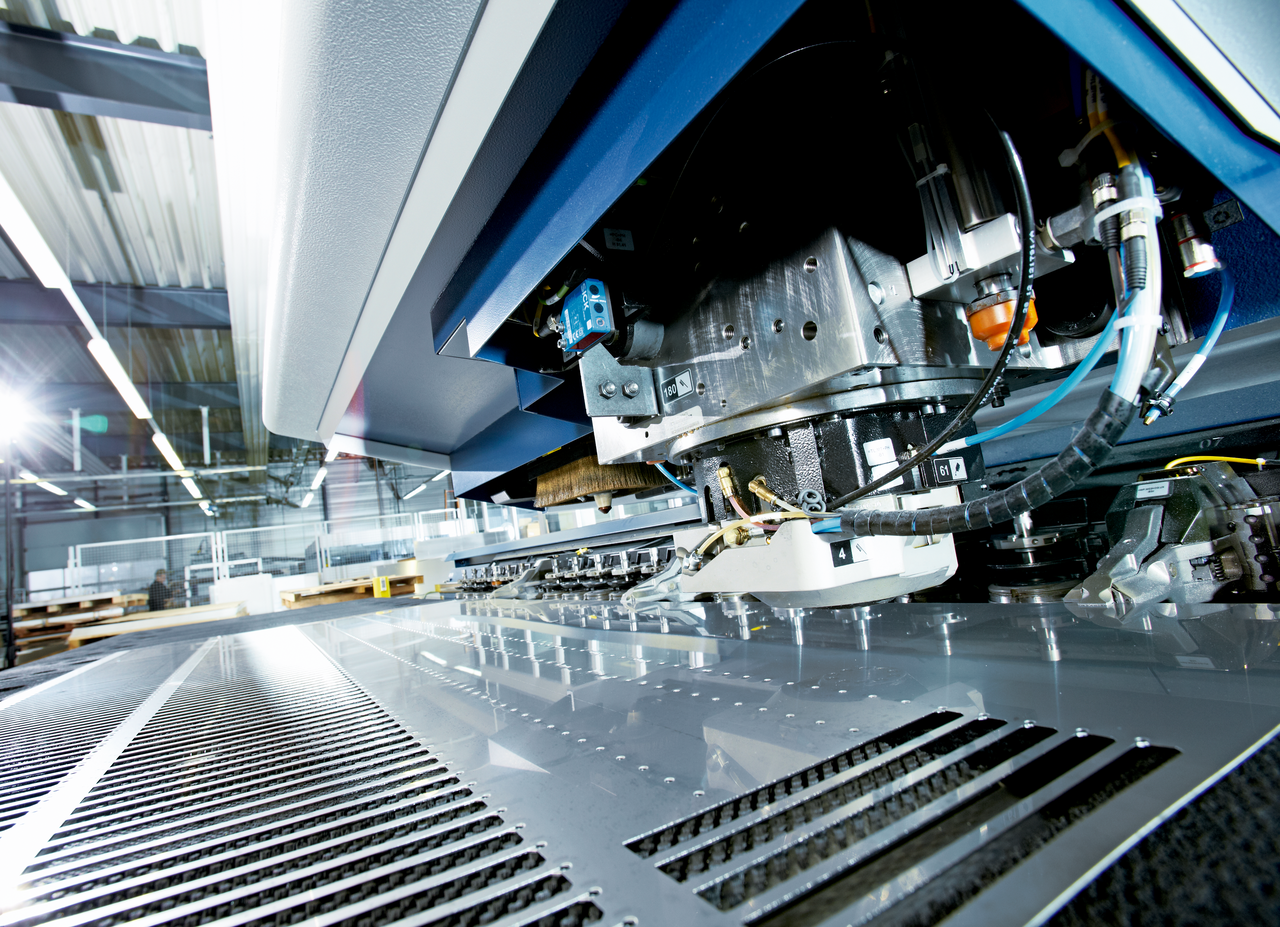
DIGITAL TWINS, RETROFITS & THE MACHINERY REGULATION 2023/1230
What do digital twins, retrofits, and the new European machinery regulation have in common? The machine tooling industry is changing rapidly, and Digital Twins are at the heart of this transformation. But are companies prepared for the new technical, legal, and cybersecurity challenges? In addition, the new European regulation 2023/1230 redefines who is responsible after a digital modification. Find out how this regulation may affect manufacturers and end users, and what solutions are already available to adapt without losing competitiveness.
Click on the button to read the full blog.

HOW CAN WE SUPPORT YOU?
TO GET STARTED, LET'S FOCUS ON THESE 3 THINGS

Machinery Regulation
Machinery Directive (2006/42/EC) will be totally replaced by the new EU Machinery Regulation 2023/1230 on January 20, 2027. The regulation sets in place laws that address modern technological advancements. In particular it:
- Mandates cybersecurity measures
- Shifts responsibility of OEM to end-users for retrofits
Will the regulation impact your safety applications?
- Request a free consultation with our safety experts here
Receive updates about the regulation here

Digital Twin
A virtual representation of a process, similar to having a digital copy that mirrors what’s happening in the real world, allowing you to predict maintenance of machinery, production process optimization.
Benefits:
- Reduced operational costs.
- Improved decision-making.
- Greater efficiency and sustainability.
- Innovation in product design and development.

Our Solutions
Performance metrics and data are absolute requirements for changing business models such as servitization and pay-per-part. Our solutions have excellent performance and provide your machines with the data you need.
- SEC110 camera for remote monitoring and event recording [link]
- IMX long-range metal detection for reducing tolerance requirements [link]
- Weld-safe inductive sensors for tough environments [link]
HOW?
WITH OUR PRODUCTS
All these products are key enablers for the transition to performance-based contracts, continuous optimisation, and regulatory compliance. Integrated with digital twins, they allow processes to be simulated, validated, and monitored, reducing security risks and costs, and ensuring that digital modifications are not considered substantial under the new regulation.
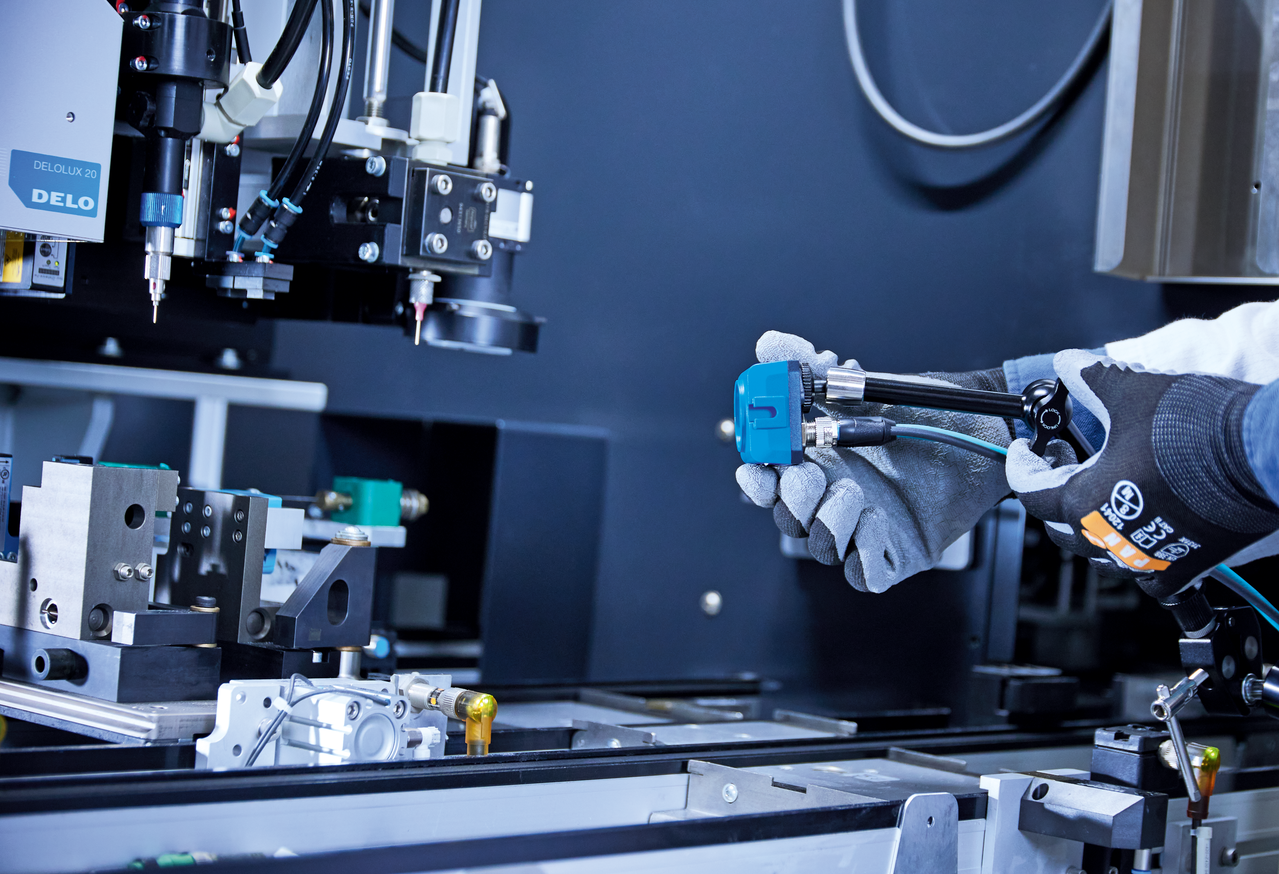
SEC 110
The sensingCam SEC110 is a cost-effective and easy-to-use streaming camera that has been specially developed for industrial use. The camera offers a live stream that makes it possible to monitor critical processes and blind spots. Using the integrated image recording function, the device can create images, e.g. for quality documentation. In the event of unplanned machine stops and sporadic errors, the event recording function supports rapid root cause analysis by recording event videos before and after a trigger signal.

IMX
IMX offers four times the sensing range of conventional sensors, setting a new standard for inductive proximity sensors. Sensing ranges of up to 50 mm ensure a higher process performance. In space-critical applications, the IMX save space by using smaller designs. At the same time, the greater distance reduces mechanical damage. The rugged, durable design ensures less downtimes, stable processes, and high machine availability.
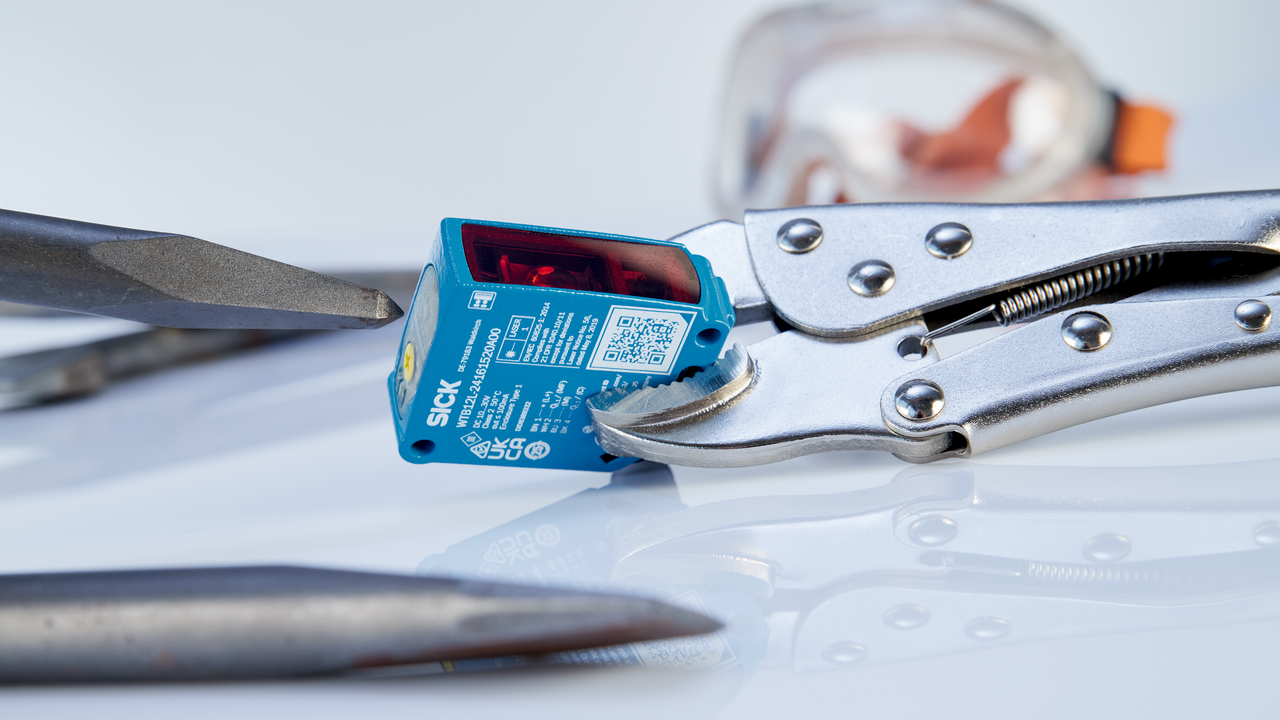
W12
The W12 is a photocell used for accurate object detection in challenging environments like the machine tooling industry. It is the word`s first fully simulated photoelectric digital twin sensor allowing optical behavior to be simulated prior to physical installation. Condition-based maintenance based on sensor and diagnostic data reduces costs and increases efficiency.
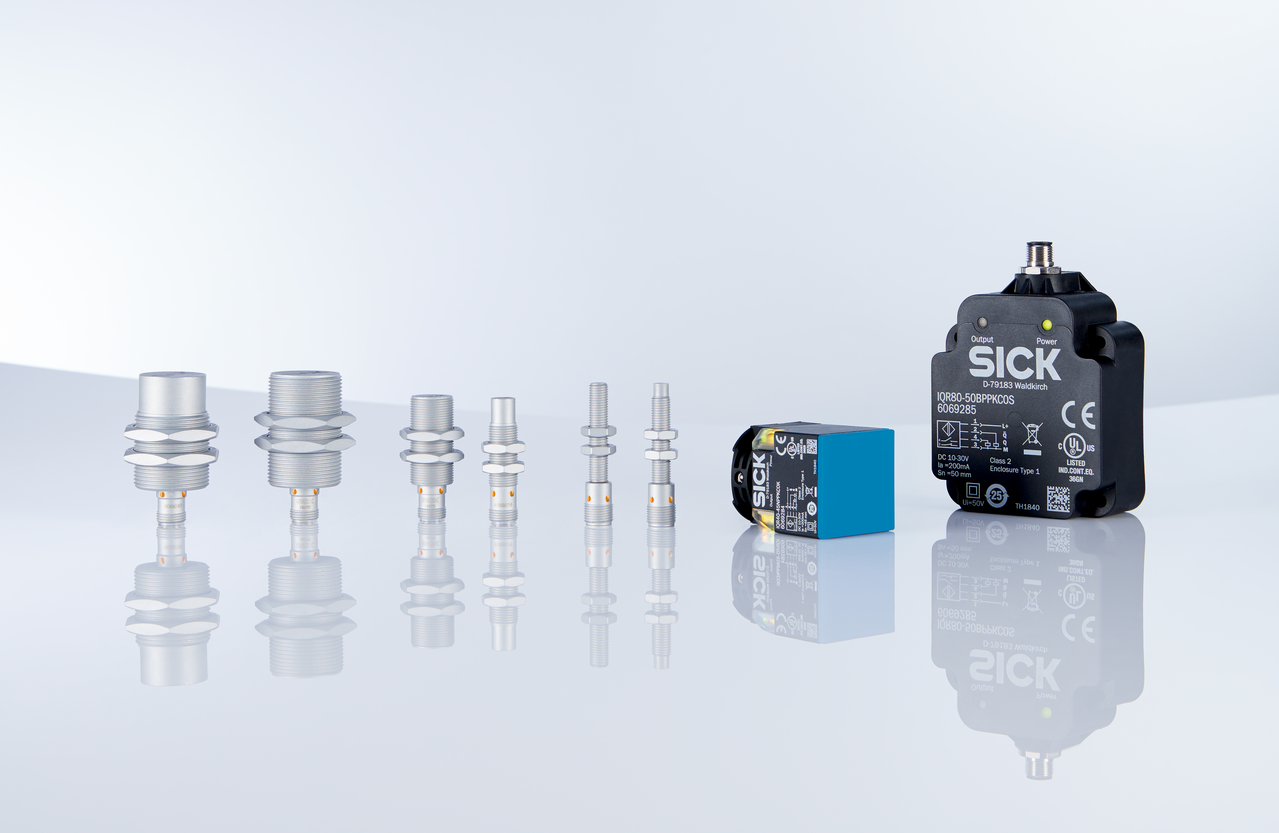
Weld-immune sensors
The IMR inductive proximity sensors are no bothered by magnetic interference fields or weld spatter, such as in resistance welding applications. IMR sensors are made without a ferrite core, which makes resistant to magnetic fields and have a very high electromagnetic compatibility. Thanks to the rugged non-stick PTFE coating, these sensors provide excellent protection against flying sparks and slag deposits. This guarantees high operational safety. All IMR sensors operate on the reduction factor 1 principle so they can detect all metals within the same sensing range.
Do you have any questions?
Let´s talk! We will be delighted to help you!


